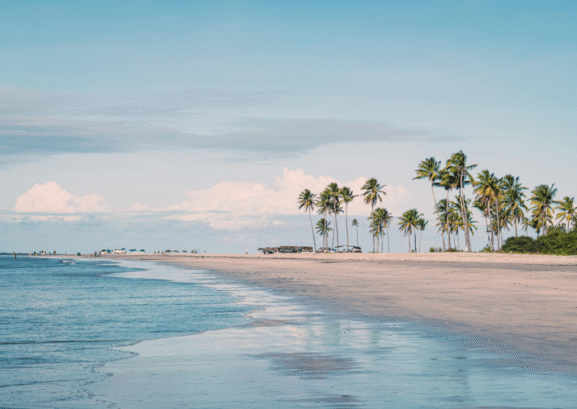

Visiting Punta Cana in 2025: First‑Timer Guide from eTicket to Best Tours
Planning your first (or next) trip to Punta Cana? This guide gives you a simple, start‑to‑finish plan: complete the eTicket correctly, breeze through the airport, pick the right place to stay, choose the best time to go, book the top tours, and build a 3/5/7‑day itinerary. I’ve visited twice for a week each time—once in an all‑inclusive resort and once in an Airbnb—so you’ll see first‑hand tips sprinkled throughout to help you avoid rookie mistakes and make the most of the Caribbean sunshine.
Why Punta Cana (and why 2025 is a great year to go)
Punta Cana is an easy vacation mode: short airport transfers, warm water, wide beaches, and a big menu of day trips for every travel style. Whether you want swim‑up bars and kids’ clubs or a quiet condo in Cap Cana, you’ll find options across budgets. The destination is built for convenience: bundled airport transfers, dozens of catamarans heading out daily, and resort zones like Bávaro where you can walk from beach to beach.
In 2025, the value equation remains strong. All‑inclusive resorts keep pricing predictable for families, while independent travelers can pair an Airbnb with private transfers and à‑la‑carte excursions to control costs. Infrastructure keeps improving, and the tour marketplace is competitive—good news if you want small‑group snorkeling, a chilled‑out Saona Island day, or a party boat with a DJ. On both of my trips (one resort, one Airbnb) I found the vibe consistently friendly and low‑stress; English was enough everywhere from check‑in to the catamaran crew.
First‑timers worry most about three things—paperwork, seaweed, and safety. Paperwork is straightforward with the DR eTicket (details below). Seaweed (sargassum) comes in pulses, but it rarely ruins a week; on my second visit we had a few sargassum days, then it cleared enough to swim and snorkel comfortably. As for safety, the resort areas are used to tourists; basic street smarts and sun/sea awareness go a long way. The result: an easy beach base with quick access to standout nature like Hoyo Azul, Isla Saona, and Macao’s surf.
Entry Made Simple: The DR eTicket, Immigration, and Arrival at PUJ
The Dominican Republic uses a single online eTicket for immigration and customs. Fill it out at home before you fly. Doing this step at my kitchen table actually kicked off the holiday mood—it made the trip feel real and meant I could land and focus on vacation, not forms. You’ll enter passport details, flight info, and where you’re staying. Submit one per traveler (family option exists in the form) and keep your confirmation handy (digital is fine). Airlines sometimes ask at check‑in, so don’t wait until the gate.
Arrival at Punta Cana International Airport (PUJ) is surprisingly quick when you’re prepared. Expect to deplane onto the tarmac, walk through airy terminals, and join the immigration queue. Have passports and your eTicket confirmation ready; families and couples can usually approach together. After passport control comes baggage claim; porters are available if you prefer help. Customs screening is generally a quick pass‑through for tourists.
The moment you exit customs, you’ll see transport desks and drivers holding signs. This is where pre‑booking pays off. If you’ve arranged a private transfer in advance, you’ll go straight to your driver. If not, you’ll choose between taxi, shared shuttle, or private transfer on the spot—private is fastest for families or late‑night arrivals. I’ve done both resort and Airbnb check‑ins: resorts typically include a bell desk and welcome drink, while Airbnb hosts may offer a smart‑lock code or meet‑and‑greet; either way, communicate your ETA in advance to avoid waiting outside in the tropical sun.
Arrival checklist:
- Complete the DR eTicket online before travel and save the confirmation.
- Keep your accommodation address and phone number handy for the form.
- If possible, pre‑book your airport transfer (round‑trip) and share your flight number with the provider.
- Pack a pen, small bills for tips, and a printed copy of your booking (some lobbies have patchy Wi‑Fi).
- Hydrate after the flight; the Caribbean heat hits quickly.
Where to Stay: Resort vs Airbnb (Which One’s Right for You?)
I’ve tried both a fully loaded all‑inclusive and an Airbnb apartment—and both worked great for different reasons. Resorts deliver easy meals, pools, daily entertainment, and kids’ clubs. They’re walk‑out‑to‑the‑beach simple and include nightly shows. Airbnbs and condos trade buffets for kitchen freedom, more privacy, and local coffee on your balcony. If you plan to do many day tours, either base works, pickups generally include major resort zones and popular condo areas.
Think about your group. Families and groups who prefer predictable costs often win with an all‑inclusive. Couples who want quiet mornings and restaurant exploring may enjoy an Airbnb in Cap Cana or a condo around Los Corales (Bávaro). On my resort stay, the zero‑planning factor was bliss—wake up, beach, pool, show, repeat. On my Airbnb trip, I loved shopping for fresh fruit and grabbing a private catamaran without the buffet schedule.
| Option | Melhor para | Prós | Contras |
| All‑Inclusive Resort | Families, groups, short stays | Meals & drinks included, activities on site, beach access, kids’ programs | Less local dining, fixed schedules, can feel busy |
| Airbnb/Condo | Couples, long stays, independent travelers | Privacy, kitchen, local vibe, often better unit space | Plan meals, variable amenities, beach access depend on location |
Area quick picks: Bávaro (long beach, lots of dining), Cap Cana (upscale, calmer waters), Uvero Alto (quieter resorts, more wave action). If beachfront access matters, verify that your condo has beach club or public access; not every building is right on the sand. For either option, ask about generator/back‑up power (useful in brief outages) and reliable Wi‑Fi if you’ll be working.
When to Go: Weather by Month, Sargassum Reality, and Crowd Levels
Punta Cana stays warm year‑round. You’ll swim any month, but the feel changes by season. Winter (December–March) brings the driest weather and the biggest crowds; prices are highest and restaurants and tours book fastest. Spring shoulder (April–June) feels sweet: long sunny stretches, lower prices, and the water warming up. Summer (July–August) is hot and humid, with calm seas many days and family crowds. Late summer into fall (August–October) is peak hurricane season across the Caribbean; plan flexible dates and consider travel insurance if you choose these months. By November, the drier season begins again.
Sargassum (seaweed) is part of the Caribbean conversation. In Punta Cana it tends to arrive in pulses, more noticeable in late spring and summer, but it’s not a daily guarantee. On my second week‑long visit we had a few sargassum days and then it cleared—beach crews worked each morning, and we still swam and snorkeled. If calm, clear water is your #1 priority, consider Cap Cana or plan a Saona or Catalina day when your local beach looks messy—that’s the beauty of boat days: you can chase clearer water.
Quick expectations by month (simplified):
| Month | Weather feel | Sea conditions | Crowd level | Sargassum likelihood |
| Dec–Feb | Drier, warm days | Often moderate, breezy | High | Low–Moderate |
| Mar–Apr | Sunny shoulder | Generally pleasant | Medium | Low–Moderate |
| May–Jun | Warm, some showers | Often calm mornings | Medium | Moderate |
| Jul–Aug | Hot/humid | Many calm days | High (families) | Moderate–Higher |
| Sep–Oct | Warm, rainier | Variable | Low–Medium | Moderate |
| Nov | Transition to drier | Improving | Medium | Low–Moderate |
Trip‑timing tips: book key tours before you fly (Saona, Scape Park, small‑group catamaran). If you’re flexible, shoulder months (April–June, November) often deliver the best mix of price, sunshine, and space on the sand.
The Best Things to Do (and What to Book in Advance)
Punta Cana balances lazy beach days with memorable day trips. Book popular tours in advance to lock in pickup times and avoid sell‑outs during holidays and school breaks.
Saona Island vs Catalina Island
- Ilha Saona: Signature postcard beaches, shallow turquoise water, natural pools. Great for swimming, families, and photos. Larger boats and social vibes are common; ask for small‑group options if you prefer a quieter day.
- Catalina Island: Better for snorkeling and diving (The Wall); often a touch less crowded. Water clarity can be excellent. Choose this if you want more time in the water than on the sand.
- Scape Park (Cap Cana): Ziplining over jungle views, Hoyo Azul cenote swim, cultural exhibits; a full‑day with hotel pickups.
- Buggies/ATVs: Mud fun and cave dips; wear old clothes, bring goggles or sunglasses.
- Catamaran/Party Boat: Afternoon sailing with snorkeling and sandbar time; some departures include open bar and music. I found the crews friendly and easy in English—the vibe was half cruise, half beach club.
Nature & Culture Extras
- Macao Beach: Public beach with waves; surf lessons available.
- Indigenous Eyes Ecological Park: Trails and lagoons for swimming (check access rules; some tickets include transport).
- Santo Domingo Day Trip: Colonial Zone architecture, history museums, and restaurants; longer day but rewarding for culture lovers.
Booking pointers: Choose operators that cap group size, include hotel/Airbnb pickup, and offer clear cancellation terms. Bring cash for beach chairs or photos, and reef‑safe sunscreen for water time. If your resort beach shows sargassum one morning, that’s a perfect day to escape to Saona or Catalina.
Getting Around: Airport Transfers, Taxis, and Car Rental
The easiest way to start your trip is a pre‑booked airport transfer. You’ll meet your driver right after customs and head straight to your accommodation. For a family or a couple with luggage, private transfers are cost‑effective and save 30–45 minutes versus shared shuttles that make multiple stops. Taxis are plentiful at PUJ and resorts, but rates vary; confirm the price before getting in. Car rental is doable if you plan day trips on your own—expect speed bumps (topes), occasional potholes, and confident local driving. Parking at larger resorts is usually straightforward; condos vary by building.
| Option | Melhor para | Prós | Contras |
| Traslado particular | Families, late arrivals, lots of luggage | Fastest, door‑to‑door, pre‑confirmed price | Higher price than shared |
| Ônibus compartilhado | Solo travelers, budget focus | Cheapest, scheduled departures | Multiple stops, longer ride |
| Taxi | Short hops, last‑minute | On‑demand, no pre‑booking | Variable pricing, language clarity |
| Car Rental | Explorers, multi‑stop plans | Full freedom, visit hidden gems | Insurance, navigation, city traffic |
On my Airbnb stay, a pre‑arranged private transfer was the smoothest option because the driver coordinated directly with my host. At the resort, a round‑trip transfer meant I didn’t have to think about checkout timing or hailing a taxi with bags. Whichever you choose, share your flight number so the provider can track delays, and keep WhatsApp installed—most local operators use it for quick updates.
Money, Language & Safety Essentials
Currency & payments: The Dominican peso (DOP) is the local currency, but many tourist services accept USD. Cards are widely accepted at resorts and larger venues; keep small bills for tips, taxis, and beach snacks. ATMs are common in malls and resort lobbies; avoid standalone machines on empty streets. For budgeting, all‑inclusive guests spend mostly on tours and souvenirs; condo guests spend a bit more on groceries and restaurants but save on drinks and breakfasts.
Language: You’ll hear Spanish everywhere, but English works surprisingly well in tourist hubs. On both of my trips I handled check‑ins, tour briefings, and shopping comfortably in English. Learning a few Spanish phrases (hola, gracias, por favor) earns smiles.
Water & health: Drink bottled water; avoid tap water. The sun is strong year‑round—pack reef‑safe SPF 30+, a hat, and a light rash guard for boat days. Mosquitoes come and go; a small repellent bottle is handy at dusk. If you’re sensitive to motion, bring seasickness tablets for catamaran days.
Safety: Tourist zones are used to visitors. Keep normal precautions: don’t leave phones unattended on beach chairs, use hotel safes, confirm taxi prices, and trust your instincts. If a beach looks rough, choose the pool or a sheltered cove. Travel insurance is smart during late summer/early fall when weather can shift.
What to Pack for a 7‑Day Punta Cana Trip
Packing light keeps your arrival simple and your beach days easy. Think breathable fabrics, swimwear that dries fast, and sandals you can kick off in the sand. For boats and buggies, expect splash and dust.
Carry‑on friendly list:
- 2–3 swimsuits, 2 cover‑ups, rash guard
- 4–5 breathable outfits (linen/cotton), light sweater for AC
- Sandals + water shoes (reef days) + simple sneakers
- Reef‑safe sunscreen, lip balm SPF, aloe gel
- Compact beach bag/dry bag; quick‑dry towel
- Sunglasses, a hat with a strap, a reusable water bottle
- Bug repellent, motion tablets, and a small first‑aid kit
- Copies of passport, travel insurance, and printed bookings
- Universal adapter, power bank, charging cables
If you’re at a resort, most offer pool towels and basic toiletries; focus on sun care and comfy clothes. In an Airbnb, confirm whether the unit includes beach chairs/umbrellas; if not, many beaches rent loungers inexpensively. I liked having a small dry bag for catamaran days so my phone and passport stayed safe while we swam.
3/5/7‑Day Sample Itineraries
3 Days (Highlights Focus)
- Day 1: Arrival, beach walk, sunset drinks; dinner at resort or beachfront restaurant.
- Day 2: Saona Island small‑group tour (full day); easy evening show or stroll.
- Day 3: Lazy morning, catamaran/snorkel half‑day; local shopping; airport.
5 Days (Balance Beach + Adventure)
- Day 1: Arrival, beach/pool reset.
- Day 2: Scape Park (zipline + Hoyo Azul). Early night.
- Day 3: Free morning; afternoon party boat or sunset catamaran.
- Day 4: Macao Beach surf lesson + tacos; golden‑hour photos.
- Day 5: Chill + spa; departure.
7 Days (Deep Dive)
- Day 1: Arrival, private transfer, check‑in.
- Day 2: Resort day or condo pool + grocery run; book tours for mid‑week.
- Day 3: Saona or Catalina (choose based on sea conditions).
- Day 4: Buggies/ATV + cenote swim; relaxed dinner.
- Day 5: Culture day (Santo Domingo) or Indigenous Eyes park.
- Day 6: Catamaran + sandbar; beach afternoon.
- Day 7: Souvenirs, last swim, airport.
Throughout these plans, I found that penciling the biggest tour for Day 3 or 4 works best—you’re rested, and if weather shifts, you still have buffer days to reschedule. Also, booking airport transfers round‑trip removes the final‑day stress so you can enjoy that last swim.
Perguntas frequentes
Is Punta Cana worth visiting in 2025? Yes—reliable warmth, easy logistics, competitive tour options, and broad lodging choices keep it a top Caribbean pick.
Do I need to complete the DR eTicket? Yes. Fill it out online before you fly and keep the confirmation handy for airline/arrival checks.
When is the best time to visit? For the driest weather, December–March. For value and sunshine, April–June and November. Summer is hot and popular with families.
Will seaweed ruin my trip? Unlikely. Sargassum arrives in pulses, and beach crews clean daily. Plan a boat day (Saona/Catalina) if your local beach looks messy.
Is English enough? In tourist areas, yes. I managed both trips comfortably in English, with friendly service everywhere from resorts to boat tours.
Can I drink the tap water? Stick to bottled water; it’s widely available.
Are airport taxis safe? Yes, but confirm the price before you go. Pre‑booked private transfers are the smoothest for families and late‑night arrivals.
Is Punta Cana good for kids? Very. Many resorts have splash areas and kids’ clubs; tours like Saona and catamarans can be family‑friendly—check age/height rules.
What’s the dress code at night? Casual resort‑smart: light dresses, polos, sandals. Some à‑la‑carte restaurants ask for closed‑toe shoes.
How many days do I need? Three for a taste, five for balance, seven for a relaxed mix of beach, adventure, and a cultural day.
Book with Confidence (and what to do next)
- Complete the DR eTicket before your flight and save the confirmation.
- Pre‑book airport transfers and 1–2 key tours (Saona/Scape Park/catamaran).
- Choose your base—resort for convenience, Airbnb for freedom—and lock dates in shoulder season if you want value and space.
- Pack smart (reef‑safe sunscreen, hat, dry bag) and hydrate from day one.
Ready to plan? Explore our curated tours and private transfers to tailor your perfect week in Punta Cana.
Want your business featured in this category? Contact: partners@puntacanahotdeals.com